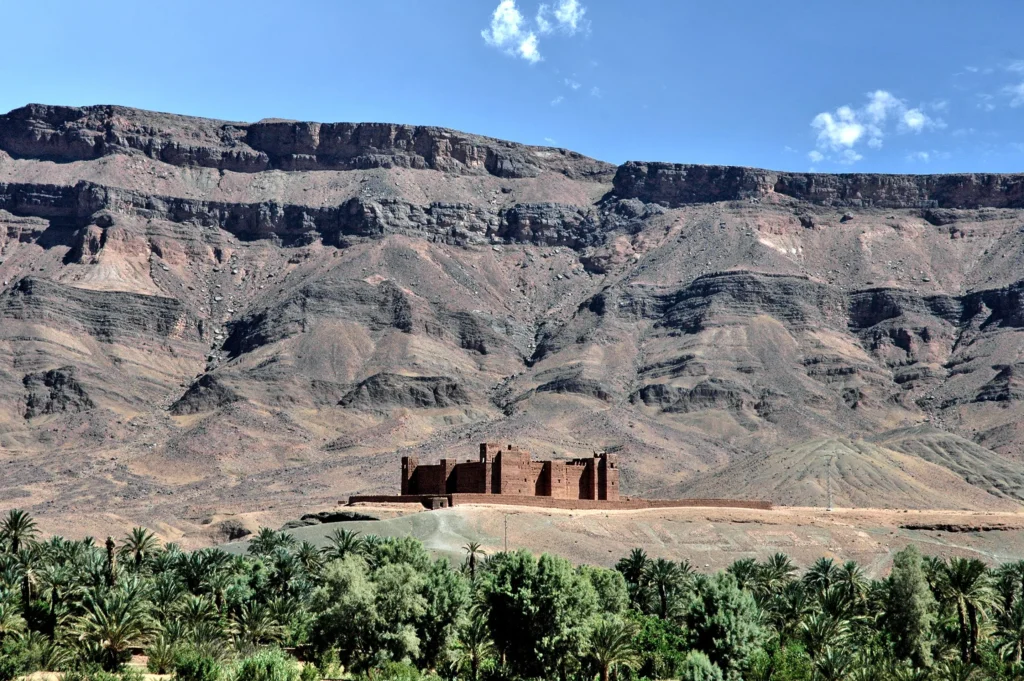
Best Things to Do in Fes, Attractions, Prices & Tips
Fes is one of the most fascinating cities in Morocco for travelers who want to experience history, traditional craftsmanship, architecture, food, and everyday Moroccan life in one destination. From the famous blue gate of Bab Boujloud to the narrow streets of Fes el-Bali, the city offers an extraordinary variety of places to explore.
Table of Best Things to Do in Fes
For travelers planning a Morocco desert tour, Fes is also an important gateway to the Sahara. Many visitors spend one or two days discovering the old city before continuing toward Merzouga, the Erg Chebbi dunes, and the desert villages of southeastern Morocco.
The Medina of Fes has been a UNESCO World Heritage Site since 1981 and preserves an exceptionally dense historic urban landscape containing religious, civil, commercial, and military monuments. UNESCO describes it as one of the extensive and well-preserved historic towns of the Arab-Muslim world.
This guide to the best things to do in Fes covers the major attractions, approximate entrance prices, practical visitor information, and tips for combining your Fes sightseeing with a Sahara desert adventure.
Price note: Attraction prices below are based on information available in 2026. Some independent monuments do not publish official online tariffs, so prices marked as approximate should be confirmed locally before visiting.
Why Visit Fes, Morocco?
Fes offers a different atmosphere from Morocco’s other major tourist cities. The experience is not based around one single monument. Instead, the city is a collection of neighborhoods, workshops, historic schools, markets, gardens, gates, mosques, museums, and hidden courtyards.
Morocco’s National Tourist Office describes Fes as an imperial city with a history stretching back more than thirteen centuries. The historic Fes el-Bali district remains a major center for traditional artisans, including leather workers, metalworkers, weavers, and potters.
For first-time visitors, the best approach is to slow down. Rather than trying to photograph every street, spend time looking at the details: carved cedar, geometric zellige tiles, old fountains, handmade textiles, brasswork, and the activity of the souks.
Top Things to Do in Fes
1. Explore Fes el-Bali Medina
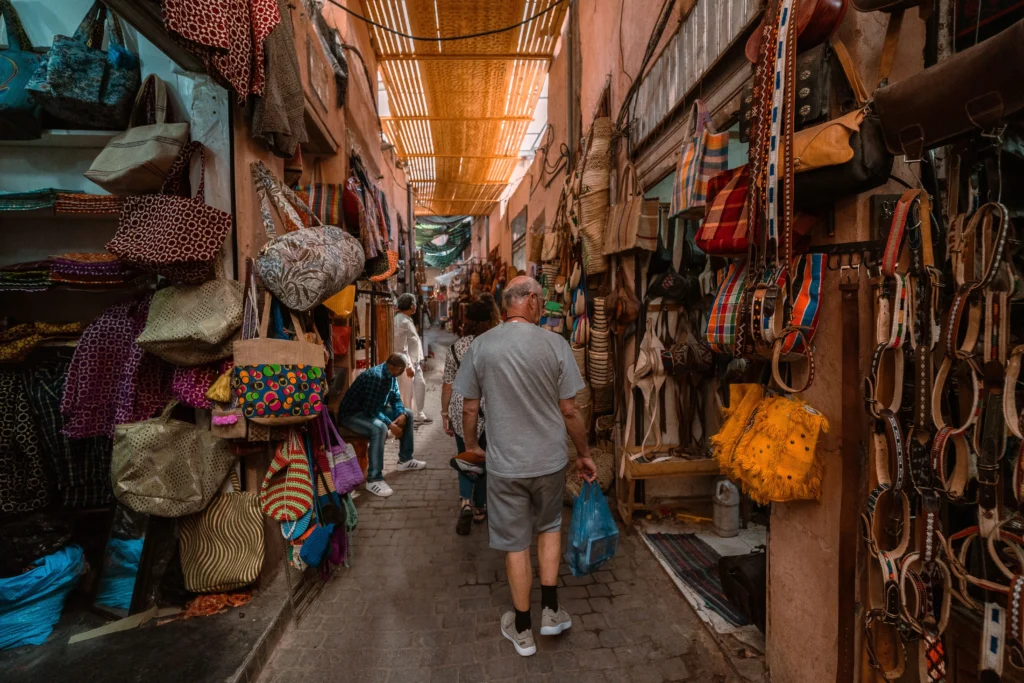
The first experience on almost every Fes itinerary should be walking through Fes el-Bali, the historic old medina.
This immense pedestrian-oriented historic district is where many of the city’s most important attractions are concentrated. Bab Boujloud provides one of the easiest entrances, while the winding lanes lead toward the Qarawiyyin quarter, tanneries, traditional souks, madrasas, and artisan workshops.
There is no general entrance ticket for walking through the medina.
Entrance price: Free
Recommended time: 2–5 hours, depending on your interests.
The medina is best enjoyed without rushing. You may find yourself following a lane because you hear metal being shaped, discover a courtyard you did not expect, or arrive at a small square filled with local activity.
Morocco’s National Tourist Office describes the medina as a living historic environment where traditional crafts and daily life continue alongside major architectural monuments.
Fes Medina Tip
Wear comfortable shoes. The streets can be uneven, and a full day in the old city involves considerably more walking than many visitors expect.
A private local guide can also make your first visit easier, particularly if you want historical explanations rather than simply following the main tourist streets.
2. See Bab Boujloud, The Blue Gate
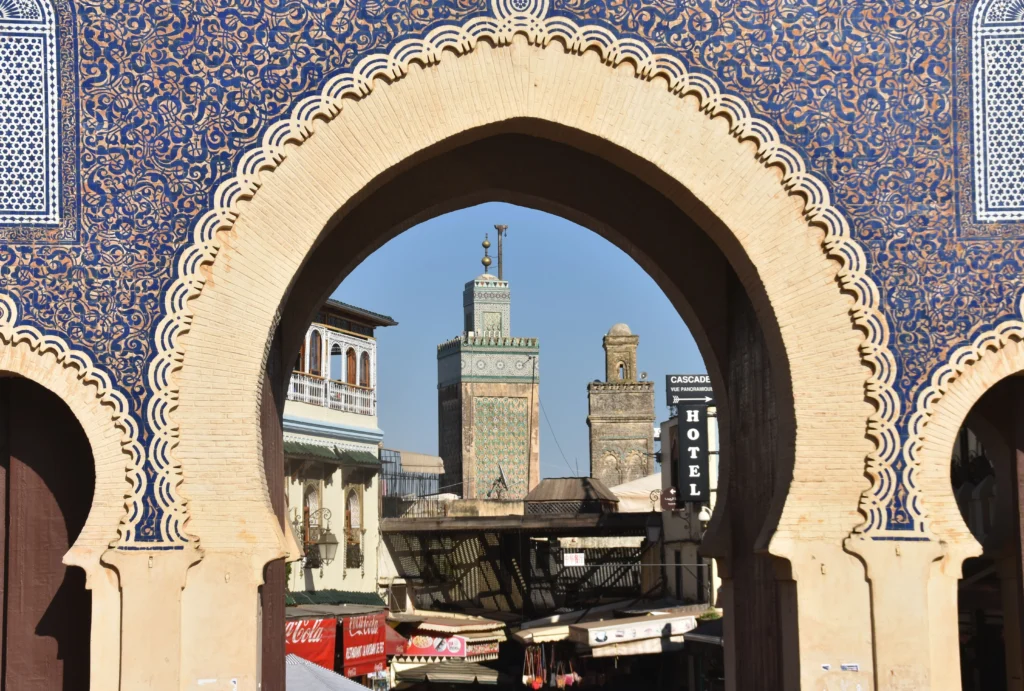
Bab Boujloud, commonly called the Blue Gate, is one of the most recognizable landmarks in Fes.
The gateway forms a natural starting point for discovering Fes el-Bali. Its decorated facade makes it an excellent photography stop, especially when viewed from the open area outside the medina.
The gate itself is free to see, and visitors do not need a museum ticket or reservation. Current visitor information lists it as an open-access site.
Entrance price: Free
Recommended time: 15–30 minutes
Photography Tip
Visit from both sides of the gate. The two facades use different decorative color schemes, creating noticeably different views.
From Bab Boujloud, you can continue toward Talaa Kebira, one of the important streets through the old medina.
3. Visit Bou Inania Madrasa
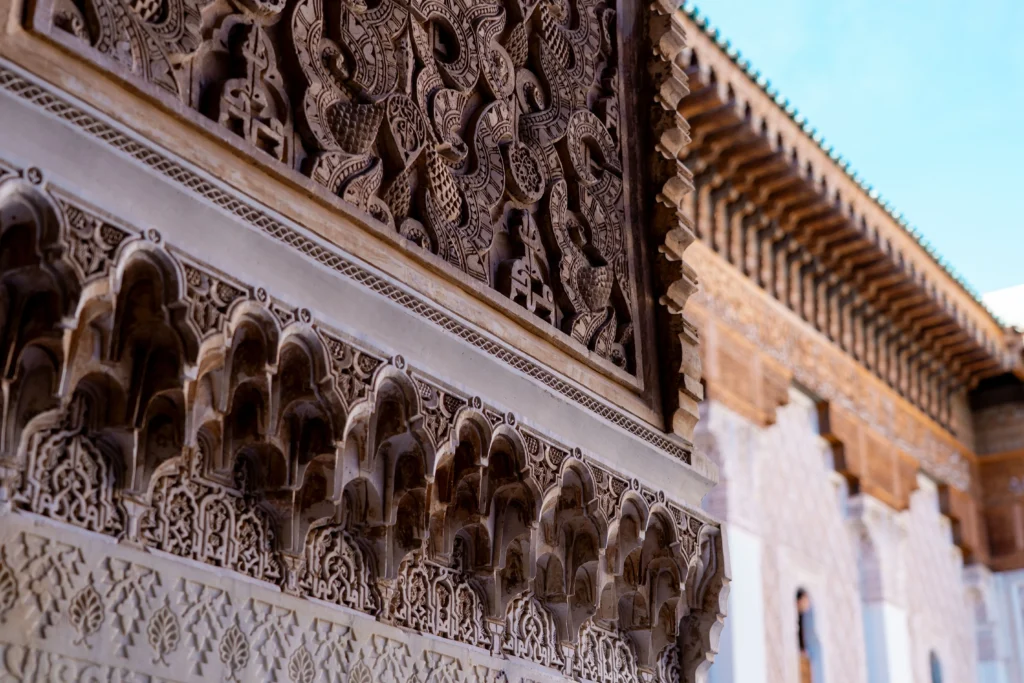
The Bou Inania Madrasa is one of the architectural highlights of Fes and a particularly rewarding stop for anyone interested in Moroccan design.
The Marinid-era religious school is known for detailed zellige, carved cedar, stucco decoration, calligraphy, and its elegant courtyard.
Current 2026 visitor information places admission at approximately 20 MAD per person, although visitors should confirm the rate at the entrance.
Entrance price: Approximately 20 MAD
Recommended time: 30–45 minutes
The location is convenient because it sits directly within the Fes el-Bali sightseeing area. You can combine it with Bab Boujloud, Talaa Kebira, and other nearby attractions without requiring transportation.
Across the street is the historic Dar al-Magana water-clock facade, another interesting detail to look for while walking through the neighborhood.
4. Discover Al-Attarine Madrasa
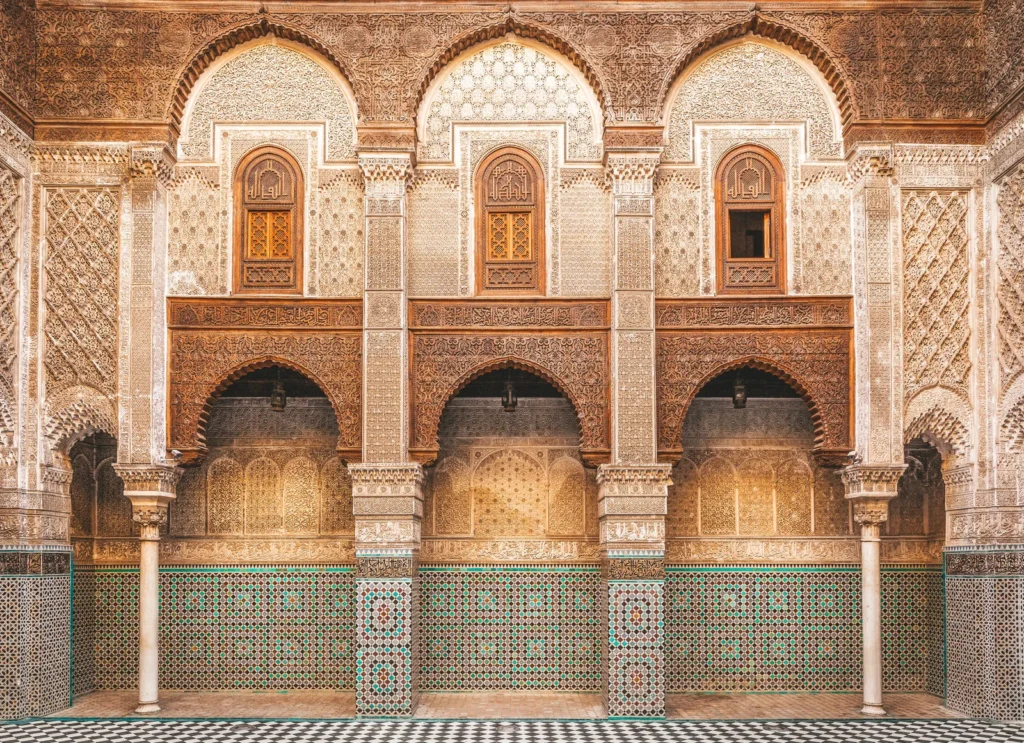
Another impressive educational complex is the Al-Attarine Madrasa, located close to the Qarawiyyin area.
Although smaller than some monuments, Al-Attarine is particularly valuable for visitors who appreciate craftsmanship. Its courtyard brings together zellige tilework, carved wood, stucco, Arabic calligraphy, and traditional Moroccan geometric decoration.
Current visitor information lists admission at around 20 MAD.
Entrance price: Approximately 20 MAD
Recommended time: 30–45 minutes
Why Add It to Your Fes Itinerary?
The attraction works especially well as part of a walking route because it is close to several other historic sites. Instead of crossing the modern city between every stop, you can spend several hours exploring one section of the medina.
5. Visit the Chouara Tanneries
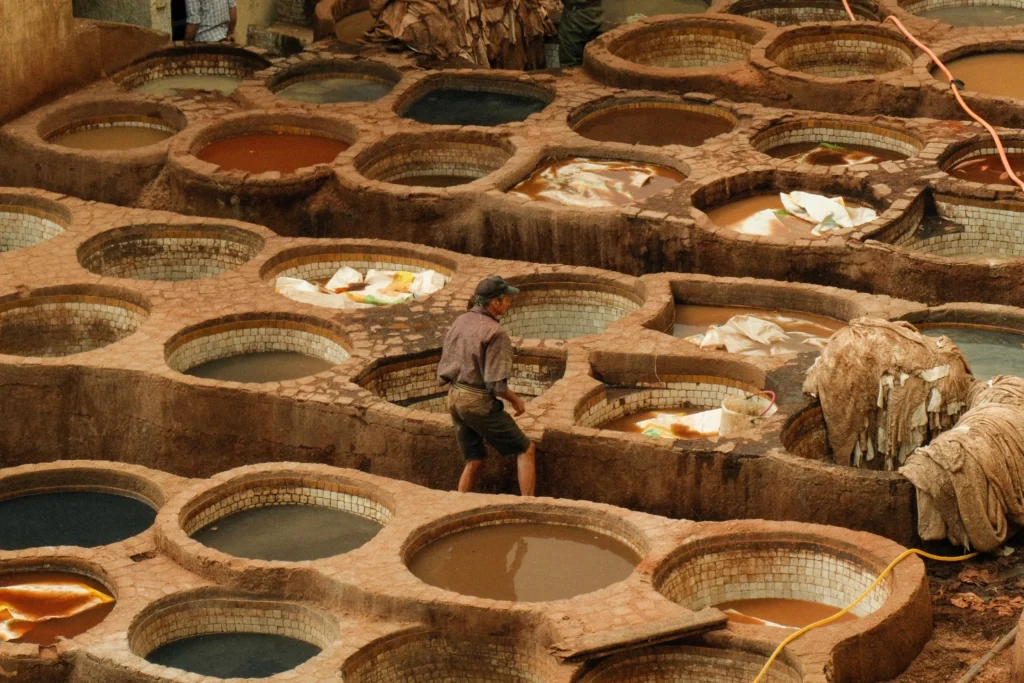
The Chouara Tanneries are among the most famous places to visit in Fes.
From surrounding terraces, visitors can look down over traditional leather-processing vats while watching craftsmen work with animal hides. The scene has become one of the visual symbols associated with Fes.
There is an important point to understand about pricing: the tannery itself is not generally treated like a conventional ticketed museum. Current visitor information states that viewing areas are accessed through surrounding leather shops, where a small tip may be expected. One current guide gives approximately 10–20 MAD as a typical terrace tip.
Entrance price: No standard tannery ticket; approximately 10–20 MAD tip may be expected at viewing terraces
Recommended time: 20–40 minutes
Chouara Tannery Tip
The leather quarter has a strong smell because of the traditional tanning process. Some viewing terraces provide mint leaves to make the experience more comfortable.
Do not feel that you must purchase leather simply because you enter a shop to see the tannery. Take your time, compare workmanship and prices, and ask questions before buying.
6. Explore the Nejjarine Museum of Wooden Arts and Crafts
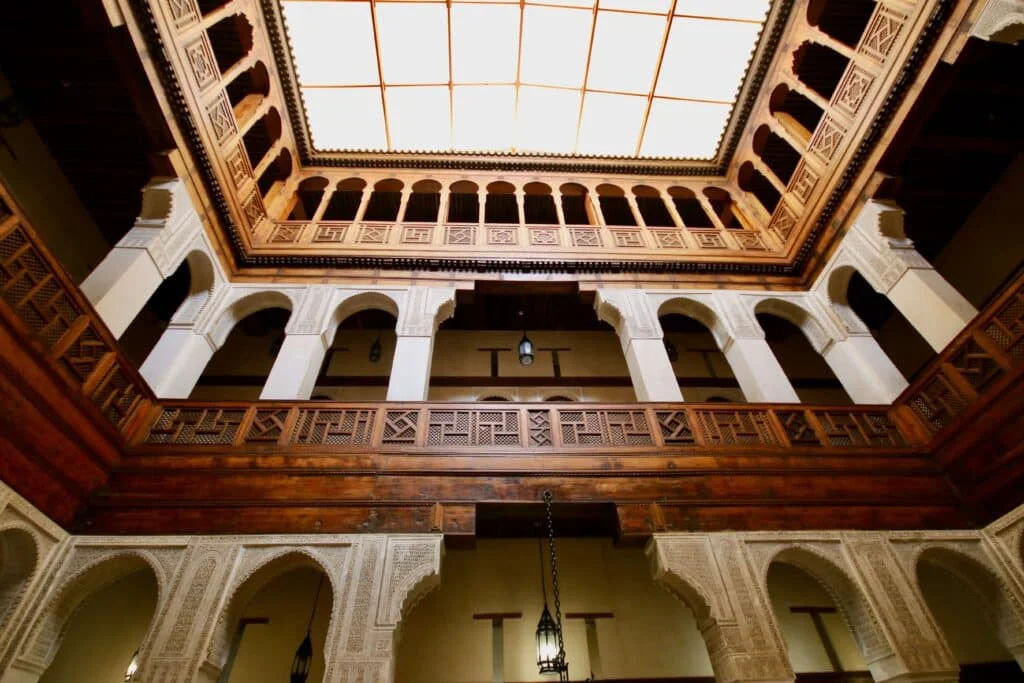
The Nejjarine Museum is a strong choice for travelers interested in Moroccan craftsmanship.
The museum is located in a beautifully restored historic building and focuses on traditional woodworking and related crafts. You can also enjoy views from its rooftop area.
Current 2026 visitor information lists the admission price at approximately 20 MAD.
Entrance price: Approximately 20 MAD
Recommended time: 45–60 minutes
For travelers who have already visited the tanneries and souks, this museum offers a quieter experience and helps explain the skill behind many of the wooden architectural details seen throughout Fes.
7. Visit the Al Batha Museum of Islamic Arts
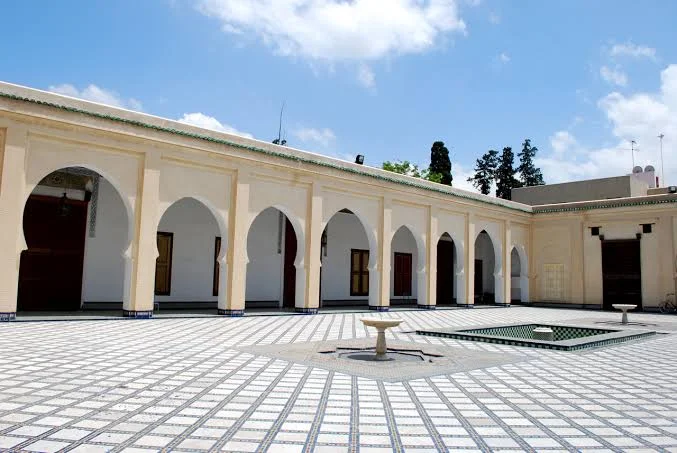
One of the most useful additions to a modern Fes itinerary is the Al Batha Museum of Islamic Arts.
The museum reopened in February 2025 after major restoration work and now presents Islamic art collections within the historic Al Batha palace. The official Fondation Nationale des Musées lists manuscripts, carpets, textiles, ceramics, metalwork, archaeological and ethnographic objects, as well as contemporary works.
Current official admission prices are:
| Visitor | Price |
|---|---|
| Foreign visitors | 60 DH |
| Moroccan visitors | 30 DH |
| Children | 15 DH |
The museum is officially listed as open 10:00–18:00 and closed Tuesday.
Recommended time: 1–1.5 hours
The Andalusian garden is another reason to include the museum. After walking through the busy medina, the garden provides a calm change of pace.
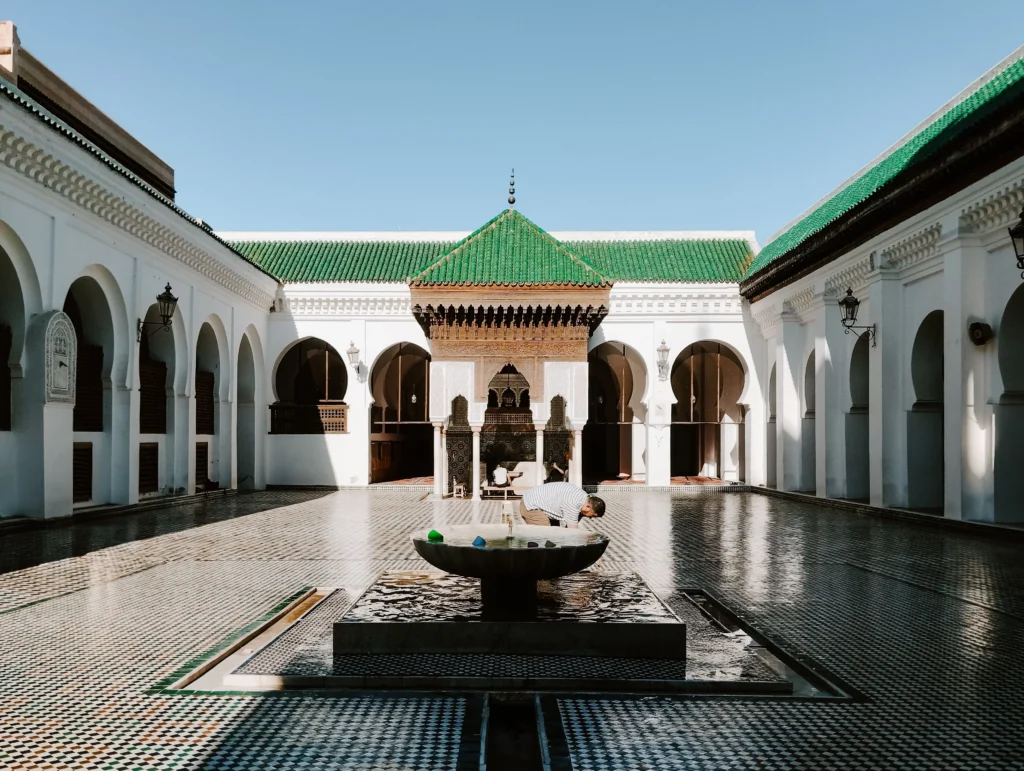
8. See Al Quaraouiyine Mosque and University
Al Quaraouiyine is one of the most historically significant places in Fes.
The complex has long been associated with Moroccan religious and intellectual life, and the Moroccan National Tourist Office identifies it among the city’s major attractions.
Visitors should understand that this remains an active religious site rather than a conventional tourist monument. Non-Muslim visitors cannot enter the mosque’s prayer areas, although portions of its architecture can be appreciated from entrances and surrounding streets.
Tourist entrance: No standard general tourist ticket for the mosque
Recommended time: 20–30 minutes for the exterior and surrounding area
The surrounding neighborhood is just as interesting as the building itself. Slow down around the nearby streets, workshops, historic doors, and traditional commercial areas.
Respectful Visiting
Dress respectfully and remember that this is an active place of worship. Avoid blocking entrances, photographing worshippers without permission, or visiting restricted areas.
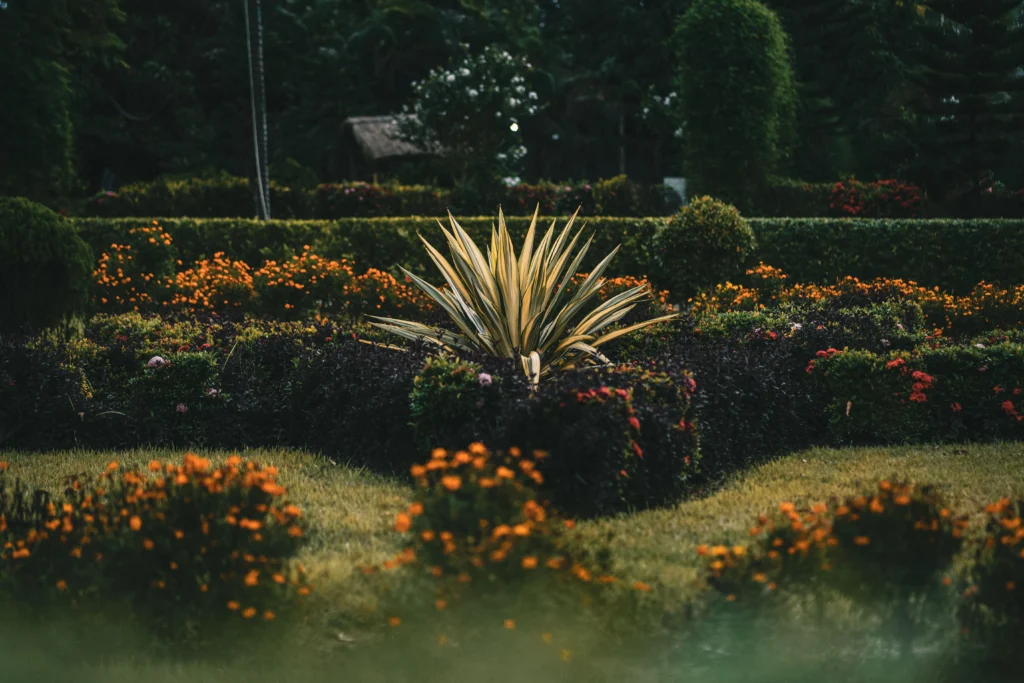
9. Walk Through Jnan Sbil Gardens
After spending several hours among the narrow streets of the medina, Jnan Sbil Gardens is an excellent place to relax.
The historic garden is located near the old city and offers shaded paths, greenery, water features, and a more peaceful setting.
Current visitor information lists free admission, with daytime opening hours that can vary depending on conditions and events.
Entrance price: Free
Recommended time: 30–60 minutes
This is particularly useful when traveling with children or when you simply need a break from sightseeing.
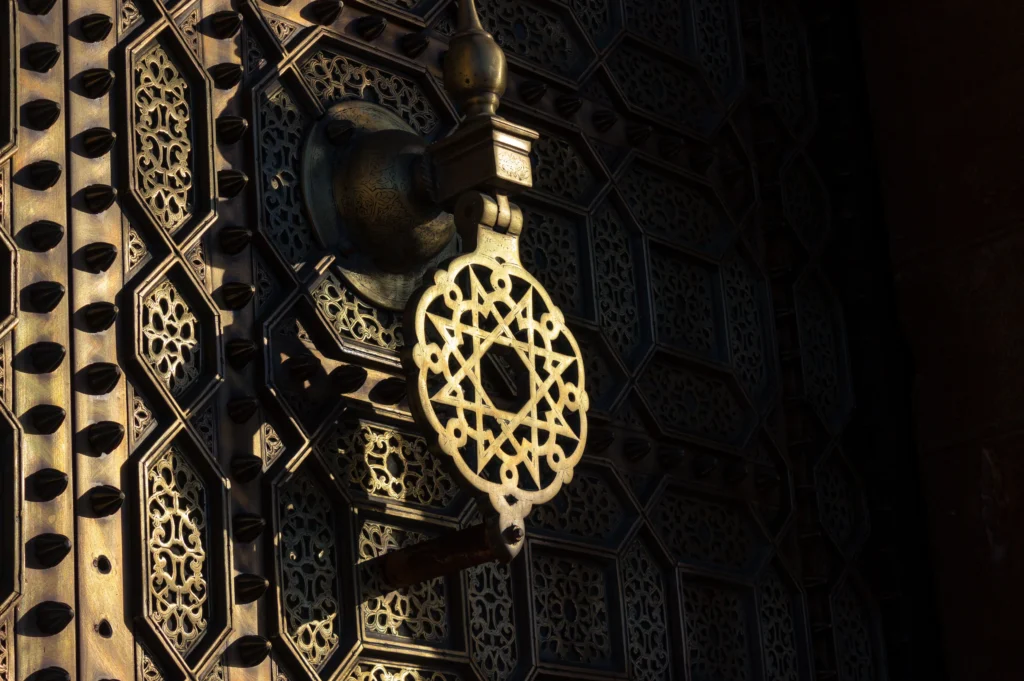
10. Visit the Royal Palace Gates
The Royal Palace of Fes, or Dar al-Makhzen, is located in Fes el-Jdid.
The palace remains a working royal residence, so tourists cannot visit the interior as they would a museum. The famous decorative gates can be viewed from the outside.
Entrance price: Free for the exterior view
Recommended time: 15–30 minutes
Current visitor information confirms that the interior of the palace is not open to ordinary public sightseeing.
The gates make a useful stop when exploring the newer historic quarters of Fes, especially around the Mellah.
More Things to Do in Fes
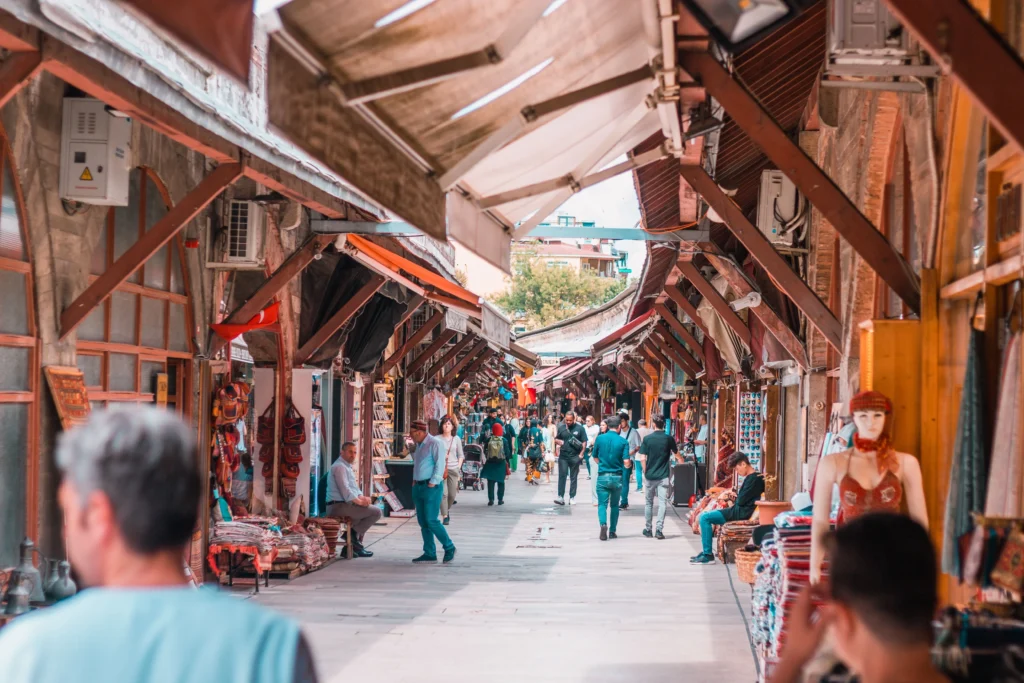
11. Explore the Mellah and Jewish Heritage
Fes has a long history of cultural and religious diversity. The Mellah, the traditional Jewish quarter, offers a different architectural and historical perspective from Fes el-Bali.
Look for distinctive balconies, old streets, historic synagogues, and the cemetery area.
Rather than treating the Mellah as a quick photo stop, combine it with a broader walk through Fes el-Jdid.
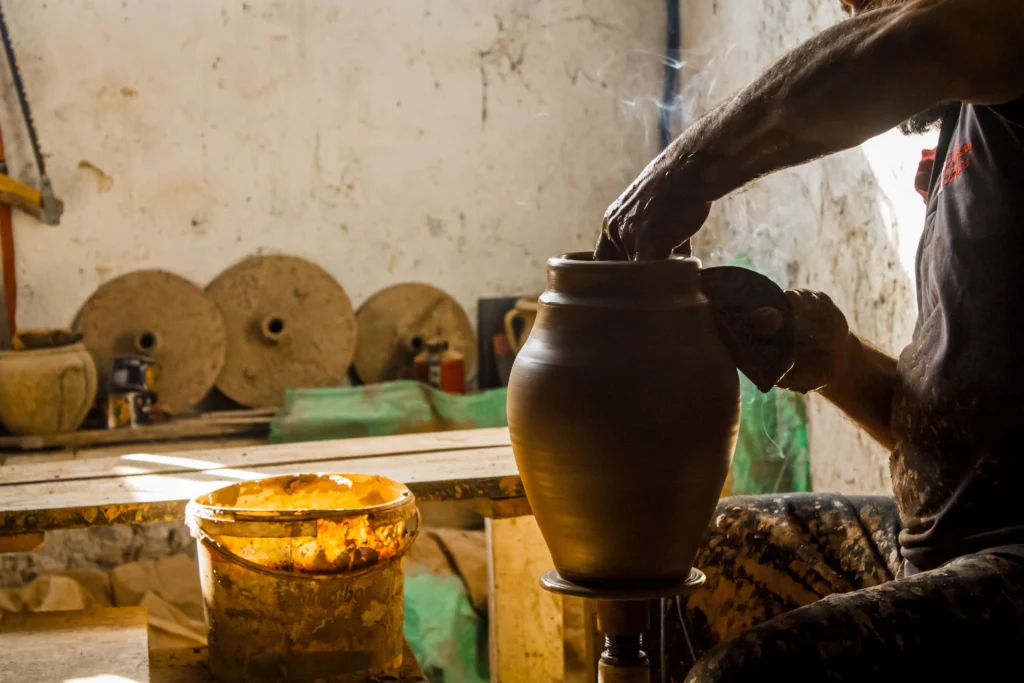
12. Watch Traditional Moroccan Artisans at Work
One of the best free experiences in Fes is simply observing traditional artisans.
Depending on the neighborhood, you may find workshops dedicated to:
- Leather
- Brass and copper
- Ceramics
- Wood carving
- Textiles
- Zellige
- Traditional clothing
The National Tourist Office specifically highlights Fes as a city where traditional crafts such as tanning, weaving, metalworking, and pottery remain part of the medina’s character.
Ask before photographing individual craftspeople, particularly inside small workshops.
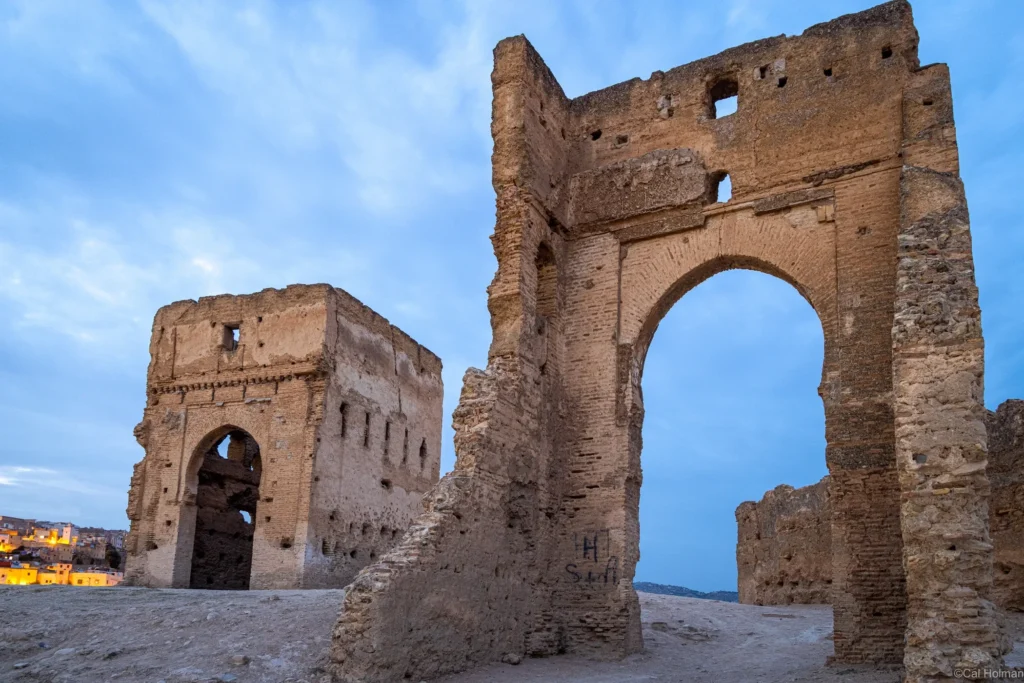
13. Watch the Sunset from the Marinid Tombs
For panoramic views, head uphill toward the Marinid Tombs above the medina.
The ruined tombs are best known today for the view rather than for complete architectural remains. Current visitor guides list the site as free and recommend arriving before sunset while there is still daylight.
Entrance price: Free
Recommended time: 45–90 minutes including the climb
The final approach can be isolated, so plan your visit sensibly and return before it becomes fully dark.
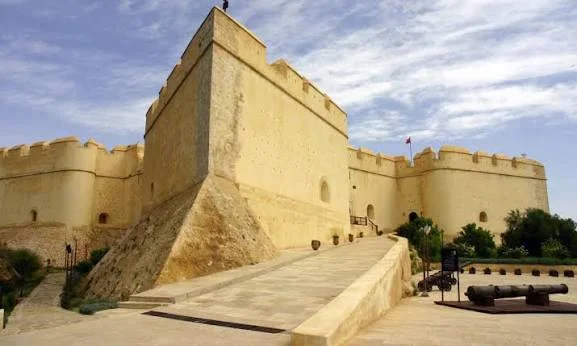
14. See Fes from Borj Nord
Borj Nord is a historic fortress positioned above Fes and is another useful viewpoint over the old city.
The fortress houses an arms collection, while the surrounding hill offers broad views toward Fes el-Bali.
Current information indicates that the museum is ticketed, but a reliable current official entrance tariff is not publicly listed, so it is better to confirm the price on site rather than relying on old travel guides.
The viewpoint outside the ticketed museum area can be enjoyed without paying a museum entrance fee.
Fes Attractions and Prices at a Glance
| Attraction | Approx. Price | Suggested Time |
|---|---|---|
| Fes el-Bali Medina | Free | 2–5 hours |
| Bab Boujloud | Free | 15–30 min |
| Bou Inania Madrasa | ~20 MAD | 30–45 min |
| Al-Attarine Madrasa | ~20 MAD | 30–45 min |
| Chouara Tanneries | No standard ticket; tip may apply | 20–40 min |
| Nejjarine Museum | ~20 MAD | 45–60 min |
| Al Batha Museum | 60 DH foreign / 30 DH Moroccan / 15 DH children | 1–1.5 hours |
| Al Quaraouiyine Mosque | No standard tourist ticket; restricted access | 20–30 min |
| Jnan Sbil Garden | Free | 30–60 min |
| Royal Palace Gates | Free exterior | 15–30 min |
| Marinid Tombs | Free | 45–90 min |
| Borj Nord | Paid; confirm current rate | 45–60 min |
Prices can change, particularly for independent monuments, so use this table as a planning guide rather than a guarantee. The Al Batha Museum figures are from the official Fondation Nationale des Musées, while several independent attractions currently publish or report approximate visitor rates.
Best Things to Do in Fes in One Day
One full day can provide an excellent introduction to the city, although Fes rewards travelers who stay longer.
Morning
Start at Bab Boujloud and enter Fes el-Bali. Walk toward Bou Inania Madrasa, then continue through Talaa Kebira and the surrounding souks.
Continue toward the Al Quaraouiyine area, stopping to observe traditional craftsmanship along the way.
Afternoon
Visit the Nejjarine Museum and walk around the nearby artisan quarter. After lunch, explore the Chouara Tanneries and surrounding leather shops.
Later, walk toward Jnan Sbil Gardens for a quieter break.
Evening
Finish the day near the Marinid Tombs for a panoramic view of the medina around sunset.
This route works particularly well before a desert tour because it gives you a strong cultural introduction to Morocco before you leave the city for the landscapes of the Atlas Mountains and Sahara.
Best Things to Do in Fes in Two Days
With two days, you do not need to rush.
On the first day, concentrate on Fes el-Bali, including Bab Boujloud, Bou Inania, Al-Attarine, Al Quaraouiyine, the souks, and the tanneries.
On the second day, spend more time outside the busiest medina lanes. Visit Al Batha Museum, Jnan Sbil, Fes el-Jdid, the Mellah, the Royal Palace gates, and the Marinid viewpoints.
A second day also gives you more time for food experiences, shopping, photography, and a traditional Moroccan hammam or cooking activity.
What to Eat in Fes
Fes is an important destination for travelers who enjoy Moroccan cuisine.
While exploring the old city, look for traditional dishes such as pastilla, tagine, harira, couscous, zaalouk, briouates, and Moroccan mint tea.
Food is not simply another sightseeing activity in Fes. A meal in a traditional restaurant or riad can be part of the cultural experience.
For visitors preparing for a desert tour, it is also wise to enjoy a relaxed dinner in Fes before beginning a long driving day toward southeastern Morocco.
Tips for Visiting Fes Medina
Start Early
Morning is often a comfortable time to explore the medina, especially if you want quieter photographs and more time for sightseeing.
Wear Comfortable Shoes
The historic city is designed for walking, and some routes involve slopes, stairs, uneven surfaces, and long stretches without vehicle access.
Carry Small Moroccan Dirham Notes
Small notes are useful for drinks, snacks, small purchases, tips, and occasional entrance fees.
Be Careful With Shopping Pressure
The souks are commercial areas, and bargaining is normal in many shops. Compare products and prices before making a purchase.
Consider a Local Guide
A knowledgeable guide can explain historical buildings, identify artisan techniques, and help you navigate complicated streets. For a first visit, a guided walk can also make it easier to use limited time efficiently.
Respect Religious Places
Some of Fes’s most important buildings are active religious sites. Follow posted restrictions and local instructions, particularly around mosques and prayer areas.
Fes to Merzouga: Combining the City With a Sahara Desert Tour
For travelers interested in Morocco desert tours from Fes, visiting the city before heading toward the Sahara can create a natural progression from urban history to desert landscapes.
A typical journey from Fes toward Merzouga and Erg Chebbi can include mountain scenery and stops in southeastern Morocco. Depending on the itinerary, travelers may pass through the Middle Atlas, areas around Midelt, the Ziz Valley, and desert communities before reaching Merzouga.
This transition is one of the highlights of a Morocco trip: the architecture and busy lanes of Fes gradually give way to mountain roads, valleys, rocky landscapes, palm-filled oases, and finally the Sahara dunes.
At Top Morocco Desert Tours, Fes can be used as part of a wider Morocco itinerary connecting the imperial cities with the desert.
For your website, useful internal links can include:
These pages can naturally connect city sightseeing searches with travelers who are already considering a Sahara experience.
Fes Travel Budget: How Much Should You Plan?
Fes can be explored with a relatively flexible sightseeing budget because several major experiences are free.
Walking through the medina, seeing Bab Boujloud, visiting Jnan Sbil, viewing the Royal Palace gates, and seeing the Marinid Tombs can all be done without standard entrance tickets.
Paid visits such as Bou Inania, Al-Attarine, the Nejjarine Museum, and Al Batha add only modest costs compared with many international tourist cities. The largest part of a desert-trip budget normally comes from accommodation, transportation, meals, guides, and the desert tour itself rather than individual Fes monument tickets.
The key is to decide which experiences matter most to you and avoid trying to enter every attraction simply because it appears on a checklist.
Best Time to Visit Fes
Fes can be visited throughout the year, but the weather can significantly affect how comfortable your medina walk feels.
Spring and autumn are often attractive periods for combining city sightseeing with a desert journey. Summer can be hot, so early morning and late afternoon sightseeing can be more comfortable.
Winter can bring cooler evenings, particularly when your Morocco itinerary also includes the Middle Atlas and desert, where temperatures can change considerably between day and night.
For a combined Fes and Sahara itinerary, pack layers rather than relying on one type of clothing.
Is Fes Worth Visiting Before a Morocco Desert Tour?
Yes, Fes offers a completely different experience from the Sahara.
The desert is about wide horizons, dunes, silence, stars, nomadic heritage, and remote landscapes. Fes is about historic architecture, craftsmanship, food, scholarship, markets, and urban culture.
Combining both allows you to experience two very different sides of Morocco within the same journey.
The Medina of Fes itself represents more than a tourist attraction. UNESCO notes that its historic urban fabric preserves traditional functions, monuments, craftsmanship, and cultural practices developed across more than ten centuries.
That is what makes spending time in Fes valuable before continuing into the desert.
Final Thoughts: Best Things to Do in Fes
The best things to do in Fes are not limited to a handful of monuments. The real experience comes from combining major landmarks with time spent walking, eating, observing artisans, visiting museums, and discovering the historic neighborhoods.
Start with Fes el-Bali and Bab Boujloud, then explore the architectural beauty of Bou Inania and Al-Attarine madrasas. Continue to the Chouara Tanneries and Nejjarine Museum, make time for the newly reopened Al Batha Museum of Islamic Arts, and relax in Jnan Sbil Gardens.
For panoramic views, head toward the Marinid Tombs. For royal architecture, stop at the Royal Palace gates. And throughout your visit, allow yourself enough time to simply wander.
For travelers continuing toward the Sahara, Fes is an ideal cultural chapter before the scenery changes completely on the road to Merzouga and Erg Chebbi.
Plan your city sightseeing carefully, confirm current attraction prices locally, and leave enough energy for the journey ahead. With the right pace, Fes can become one of the most memorable parts of your Morocco itinerary.
Top Morocco Desert Tours can connect your Fes experience with the landscapes of the Moroccan Sahara, creating a journey that combines imperial-city heritage, mountain scenery, traditional villages, and desert nights under the stars.
Frequently Asked Questions
What are the best free things to do in Fes?
Some excellent free experiences include exploring Fes el-Bali, seeing Bab Boujloud, walking through Jnan Sbil Gardens, viewing the exterior of the Royal Palace gates, and visiting the Marinid Tombs.
How much does it cost to visit Bou Inania Madrasa?
Current 2026 visitor information lists the entrance at approximately 20 MAD, although rates can change and should be confirmed at the entrance.
How much is Al Batha Museum in Fes?
The official Fondation Nationale des Musées currently lists 60 DH for foreign visitors, 30 DH for Moroccan visitors, and 15 DH for children. It is open 10:00–18:00 and closed Tuesday.
Can non-Muslims visit Al Quaraouiyine Mosque?
Non-Muslim visitors cannot enter the mosque’s prayer areas. The building and architectural details can, however, be appreciated from surrounding streets and entrances where access is permitted.
Are the Chouara Tanneries free?
There is no conventional standard entrance ticket for viewing the tannery from surrounding shop terraces. A small tip may be expected; one current visitor guide lists approximately 10–20 MAD.
How many days should I spend in Fes?
One day is enough for the major highlights, but 2 days allows a much more relaxed experience. Two days also work well for travelers preparing to continue from Fes toward a Merzouga desert tour.
Things to do in Fes Morocco, Fes attractions, Fes Medina, Fes travel guide, Fes sightseeing, Fes Morocco attractions prices, Fes desert tours, Fes to Merzouga desert tour, things to do in Fes Medina, Fes tourist attractions, Morocco desert tours from Fes